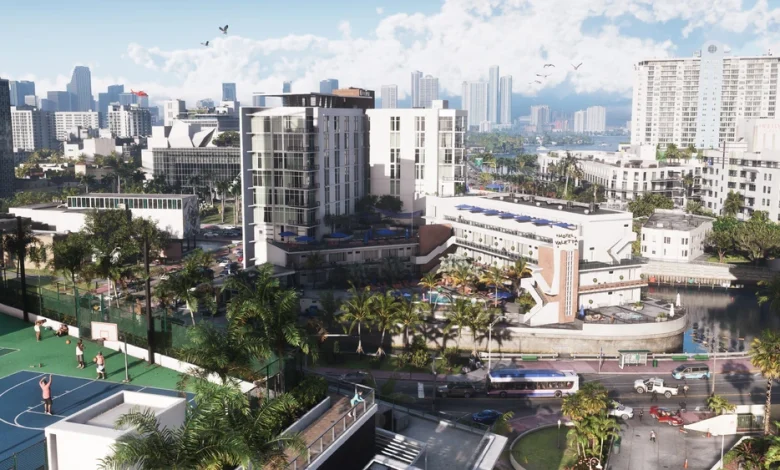
The state of Leonida marks a fundamental shift in open-world design for the Grand Theft Auto series. Where previous entries often relied on sheer scale — sometimes filled with stretches of empty space — Leonida arrives with a philosophy built around density and believability. Rockstar Games has been open about drawing inspiration from Florida, not just visually, but culturally. The entire state is conceived as a living ecosystem where every neighborhood, every road, and every forgotten back road has its own distinct character. From the sun-soaked beaches to the oppressive, sprawling wetlands of the interior, it’s immediately clear that the developers studied the real texture of Florida life — and that each environment is designed to evoke something completely different in the player.
Modern Vice City: The Beating Heart of the State
At the center of it all sits iconic Vice City, rebuilt from the ground up. This is no longer just a nostalgic nod to the eighties — it’s a modern, pulsing metropolis of the 21st century. The city is saturated with the influence of social media, digital technology, and the sharp contrast between extreme wealth and raw poverty. Vice City in Leonida reads like an endless maze of skyscrapers, shopping centers, and nightclubs, where every interior is designed to support both the story and the moment-to-moment gameplay. Developers placed enormous emphasis on verticality, meaning players won’t be limited to the streets. Rooftops, inner courtyards, and underground spaces are all part of the picture — fundamentally changing how we think about escape routes during police chases.
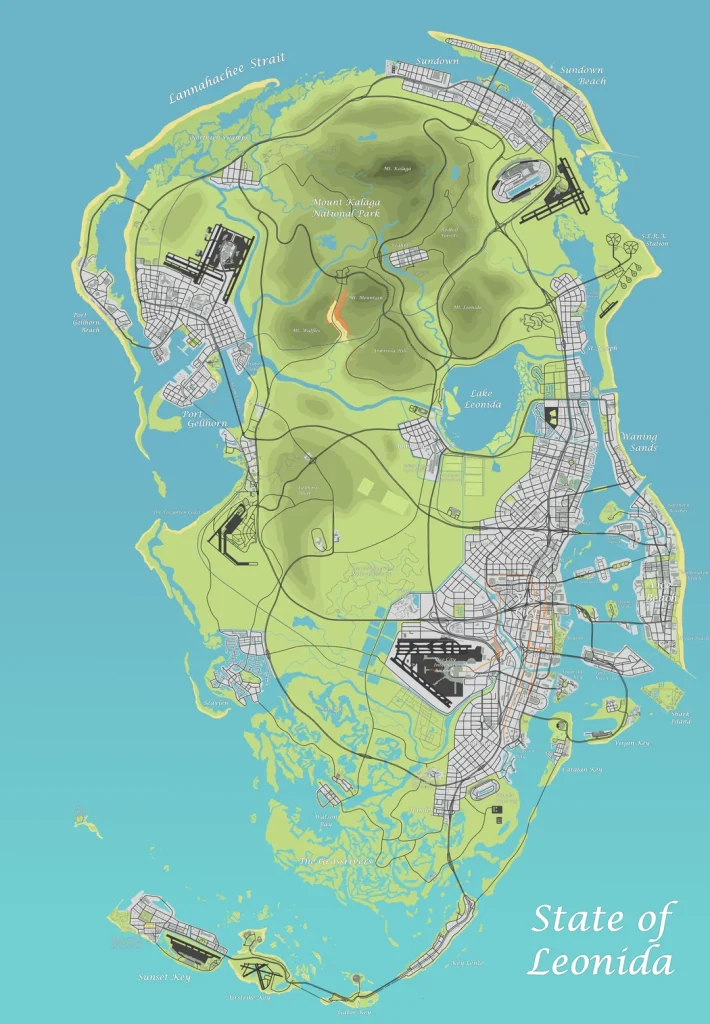
Wilderness and Satellite Towns: More Than Just Scenery
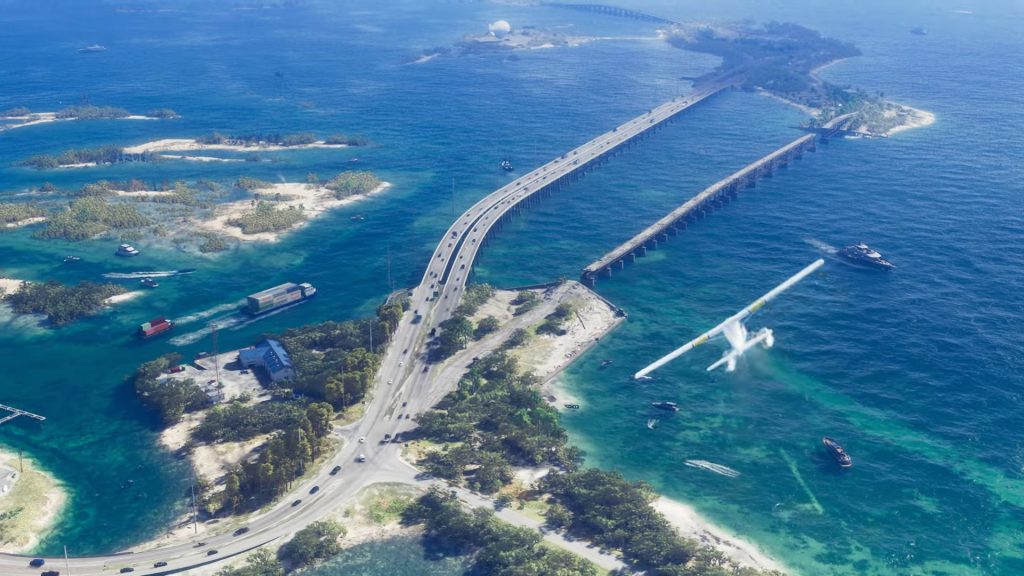
Beyond the urban sprawl, Leonida stretches out into a diverse range of natural zones that tie the state together as one coherent whole. The interior is dominated by vast swamps and untamed wilderness — a deliberate counterpoint to the noise of the city. These areas are not map filler. They are central to the game’s atmosphere, home to unique wildlife, distinct weather patterns, and smaller satellite settlements like Port Gellhorn. These towns break up the sense of isolation between the major population centers and ensure the map feels inhabited no matter how far from civilization you wander.
A Digital World With a Soul of Its Own
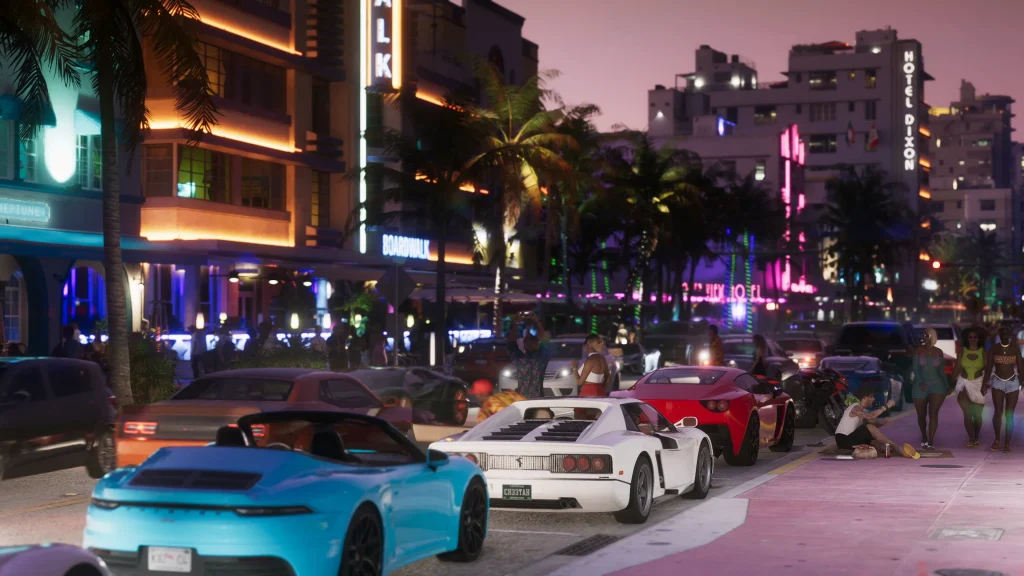
The overall concept of Leonida suggests that Rockstar has stopped trying to build a “playground” and instead created a digital space with genuine ambition — a place that feels like it has its own history and social fabric. This level of detail is what defines the next generation of games. Leonida is not a collection of textures and models. It is a complex simulation in which every resident follows their own routine and every building serves a purpose. The player won’t be a passive visitor passing through — they’ll be an active element in a world that reacts to their choices in real time. Whether you’re tearing along the sun-drenched beaches of Vice City or fighting for survival in the dense vegetation of the wetlands, Leonida will keep surprising you with a depth and attention to detail that pushes the boundaries of everything the open-world genre has delivered so far.